
Sunday Buying Guide
How to Choose a Sideboard
Three styles, three jobs, three price points.

The sideboard is the hardest-working piece of furniture most homes never think about. It stores the tablecloths, hides the clutter, holds the lamp and finishes the wall, all at once. Yet choosing one trips people up more than almost any other purchase: too big and it blocks the walkway, too shallow and the doors never close properly, too plain and the room misses its anchor. This is the guide we give friends: five decisions to make first, three very different sideboards to see the options in, and where each one works hardest in an English home.
The Storage Piece That Finishes a Room
Every English home has a wall waiting for one: the stretch beside the dining table, the hallway that eats shoes and post, the living room that needs its clutter hidden at once. The sideboard is the piece that answers all three, which is why it outlasts nearly everything else you buy.
The choice comes down to five decisions before you fall for a finish, and then three honest directions the catalogue currently does well. We walk through both here, with the pieces themselves rather than renderings.

The Modern One
The Lennox Geometric Black Storage Cabinet is the sideboard for rooms that want an edge. The geometric front does the decorating, so the styling on top can stay minimal, and the black frame sits happily against both pale and colourful walls. It reads living room first, but the hallway is where it earns its keep in most homes: keys, chargers, the post pile, all gone behind closed doors.
It is also the entry point of the three, which makes it the sensible first serious piece for a flat that is growing up.
The Five Decisions First
Wall, Not Room
Measure the wall, not the room. A sideboard lives against one stretch of wall: leave a hand's width either side and check what the doors swing past.
Depth Decided by Traffic
Around 400mm deep is the workhorse. Go shallower for hallways and walkways, deeper only where the room can spare it.
Doors or Drawers
Doors for the big hidden stuff, drawers for the small daily stuff. Two of each is the mix most homes settle into.
Height Against the Light
Around 750mm suits lamps and mirrors above. Taller works as a room divider, lower under a window.
Finish Against the Wall
A pale piece on a pale wall recedes; a dark piece on a pale wall anchors. Decide which job the wall needs doing.
The Classic One
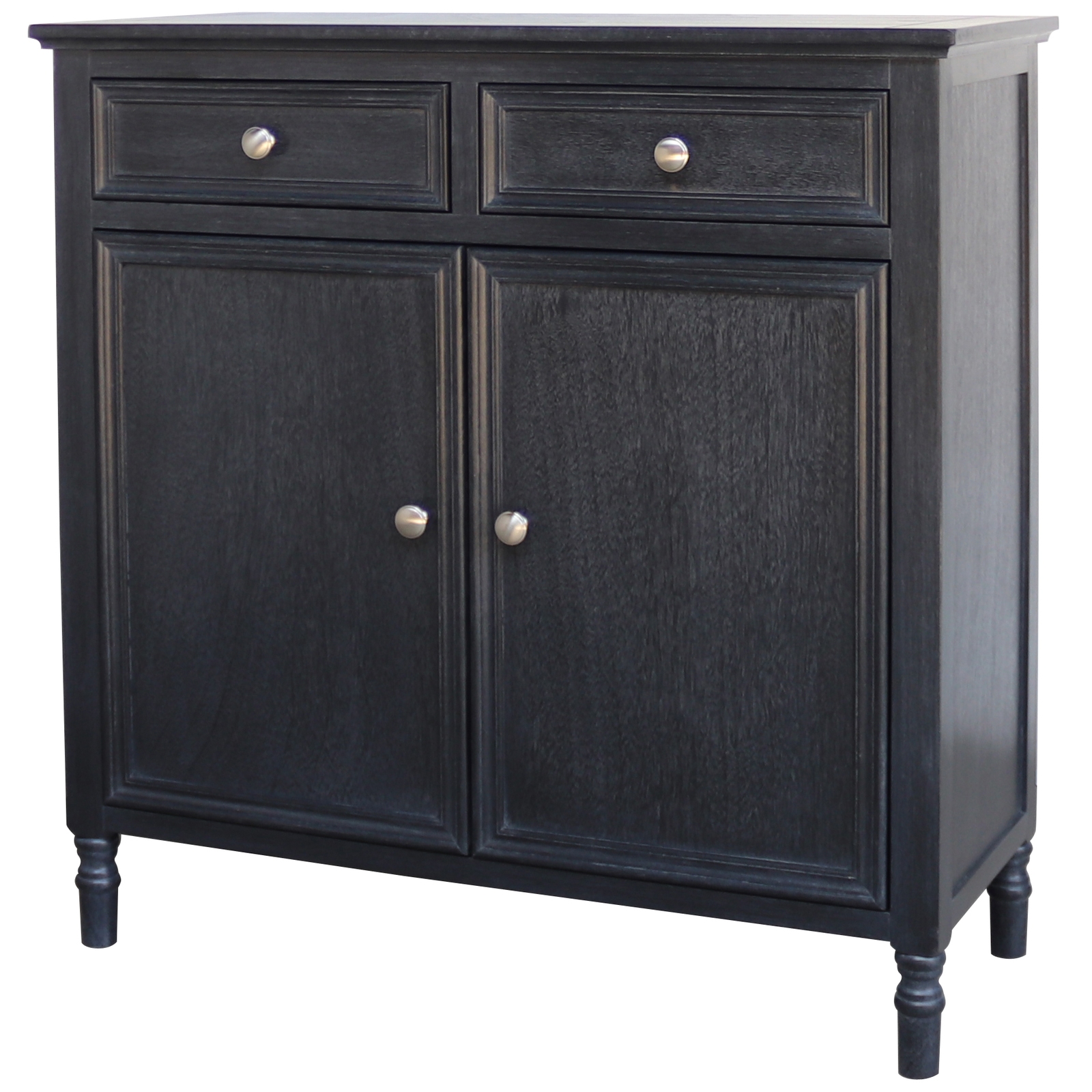
The Contour Charcoal Turned Leg Sideboard is the shape people picture when they hear the word sideboard: two drawers, two doors, turned legs, a silhouette that has worked in British dining rooms for a century. The charcoal finish updates it just enough to sit under a modern lamp without feeling like a hand-me-down.
This is the one for the wall behind the dining table, where the symmetry does the styling for you: a lamp on one side, a pair of candlesticks or a plant on the other, and walk away.
Where a Sideboard Works Hardest
Three placements cover most homes. Behind the dining table, the sideboard is the wall: storage for the table linen and a surface for the lamp and the evening glass. In the hallway it is the launch pad: everything that leaves the house with you, and the post that arrives when you do not. In the living room it becomes the clutter wall, with room above for the mirror or the art the room was missing.
If the budget says one, the hallway is where a sideboard changes the day most, every single morning. If the season says one, the dining wall is the one that gets noticed first at Christmas.
The Statement One
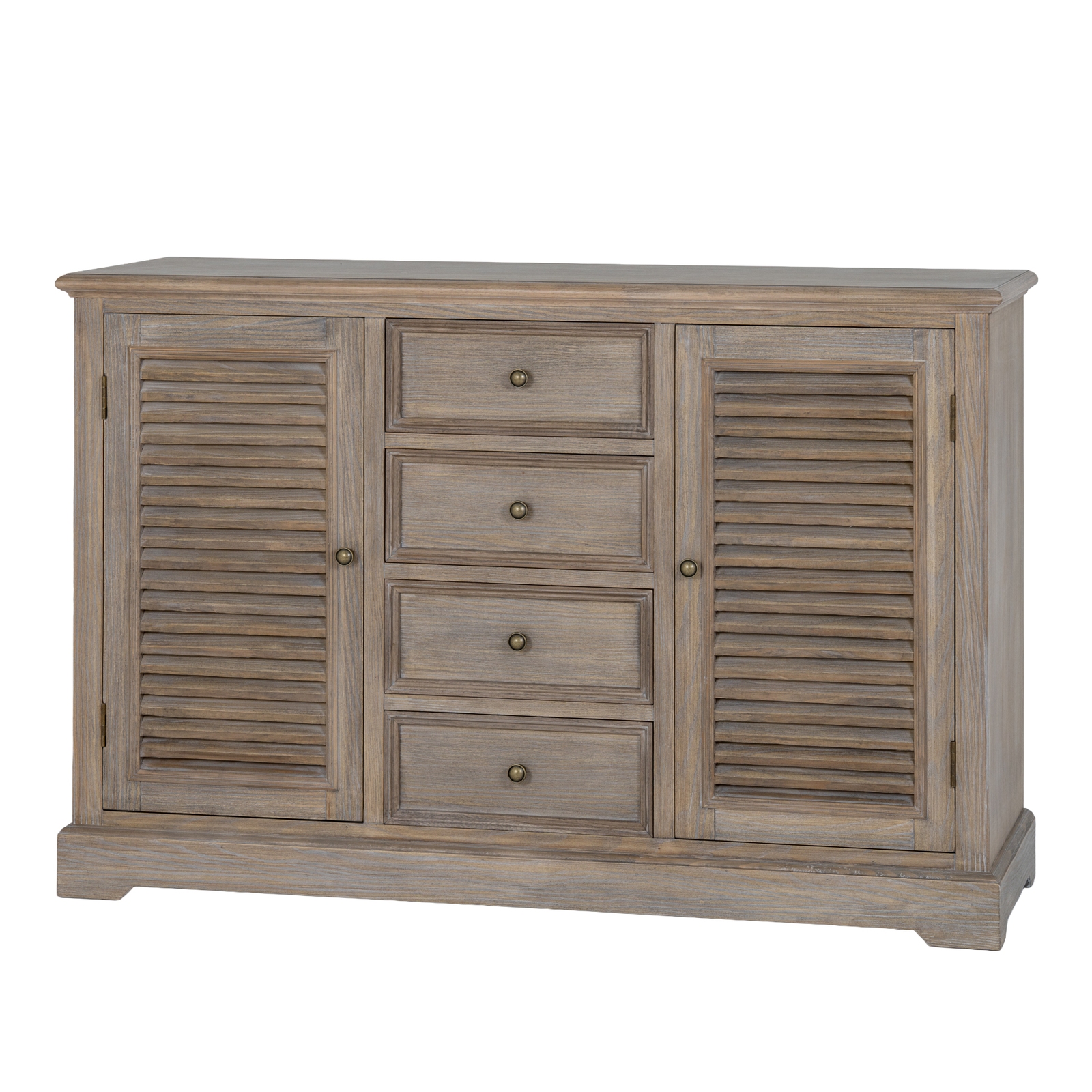
The Delphine Weathered Louvre Sideboard is the one people ask about. The weathered finish and louvre doors give it the feel of a piece that has already lived somewhere warm, and the proportions are generous enough to ground a big wall on its own. This is the sideboard for the room where the furniture is the decoration.
It also crosses rooms better than most: bedroom for the linen, dining room for the crockery, living room for the records. Whichever wall it lands on becomes the settled end of the house.
Buying Guide